
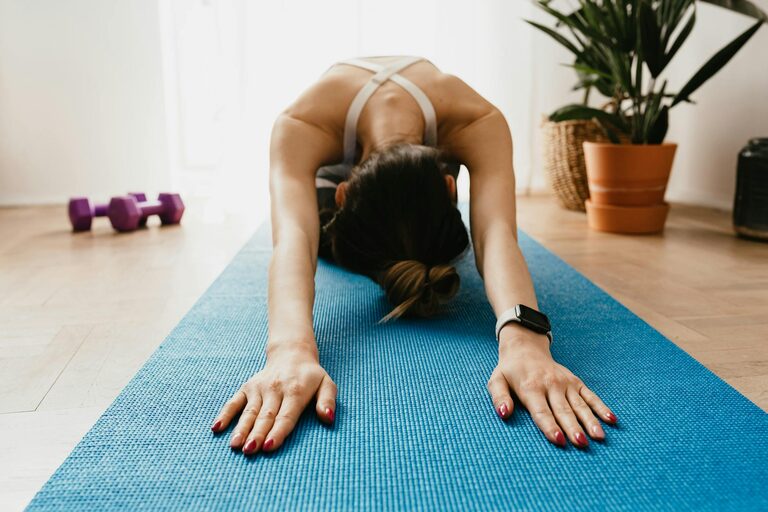
A Beginner’s Guide to Stretching at Home for Better Flexibility
Stretching is a fantastic way to improve your flexibility, reduce muscle tension, and promote overall well-being. You don’t need a gym membership or expensive equipment to get started — stretching at home is both convenient and effective. Whether you want to loosen up after a long day or prepare your body before exercise, this beginner’s guide will help you create a safe and enjoyable stretching routine in the comfort of your own space.
Why Stretching Matters
Stretching helps maintain the health of your muscles and joints by increasing circulation and improving your range of motion. Regular stretching:
– Reduces muscle stiffness and soreness
– Enhances posture and balance
– Helps prevent injuries during physical activities
– Relieves stress and promotes relaxation
Starting a routine at home encourages consistency, making it easier to reap these benefits over time.
Getting Started: What You Need
One of the best things about stretching is its simplicity. To begin, all you need is:
– Comfortable clothing that allows movement
– A yoga mat or soft surface to stretch on
– A quiet space free from distractions
– A timer or stopwatch (optional)
No special equipment or prior experience is required.
Important Tips for Safe Stretching
Before diving into stretches, keep these tips in mind:
– Warm up first: Stretch after a light warm-up such as walking or marching in place for 5 minutes to prepare your muscles.
– Don’t bounce: Stretch slowly and steadily. Bouncing can cause muscle strain.
– Hold each stretch: Aim for 20 to 30 seconds per stretch, and breathe deeply during the hold.
– Feel a gentle pull: Stretch to the point of mild tension, not pain. If it hurts, ease off.
– Stretch both sides: Always stretch both sides of your body evenly to maintain balance.
– Be consistent: Stretch 3 to 4 times a week for best results.
Basic Stretching Routine for Beginners
Here’s a simple routine to get you started. Perform these stretches in order, ensuring smooth transitions between each one.
1. Neck Stretch
Sit or stand tall with a straight spine. Slowly tilt your head toward your right shoulder until you feel a gentle stretch along the left side of your neck. Hold for 20 seconds, then switch sides.
2. Shoulder Stretch
Bring your right arm across your chest. Use your left hand to gently pull your arm closer, stretching the shoulder and upper back muscles. Hold for 20 seconds, then change sides.
3. Triceps Stretch
Raise your right arm overhead and bend your elbow so your hand reaches down your back. Use your left hand to gently press your right elbow. Hold for 20 seconds, then switch arms.
4. Chest Stretch
Stand in a doorway with your hands on the door frame at shoulder height. Step forward slightly to feel a stretch across your chest. Hold for 20 seconds.
5. Side Stretch
Raise your right arm overhead and lean gently to the left. You should feel a stretch along your right side. Hold for 20 seconds, then repeat on the other side.
6. Seated Forward Bend
Sit on the floor with your legs extended straight in front of you. Slowly bend at the hips and reach toward your toes. Keep your back as straight as possible. Hold for 20-30 seconds.
7. Hamstring Stretch
Lie on your back and lift your right leg toward the ceiling. Hold your leg behind the thigh or calf without locking the knee. Hold for 20 seconds, then switch legs.
8. Quadriceps Stretch
Stand on your left leg and bring your right heel up behind you. Grab your ankle with your right hand and gently pull it toward your buttocks. Hold for 20 seconds, then switch legs.
9. Calf Stretch
Stand facing a wall with one foot forward and the other back. Keep your back leg straight and press your heel into the floor. Hold for 20 seconds, then switch sides.
Making Stretching a Habit
Building any new habit takes time, but here are some tips to keep you motivated and consistent with your stretching practice:
– Schedule it: Set a regular time for stretching — morning, evening, or after workouts.
– Start small: Even 5 to 10 minutes a day adds up.
– Use reminders: Set phone alerts or sticky notes to prompt you.
– Combine with other activities: Stretch while watching TV or listening to music.
– Track progress: Notice improvements in your flexibility and how your body feels.
When to Avoid Stretching or See a Professional
While stretching is safe for most people, avoid stretching if you have recent injuries, fractures, or severe pain. If you experience sharp discomfort during stretching, stop immediately. It’s also a good idea to consult a healthcare or fitness professional before starting a new routine if you have chronic health conditions or concerns.
Final Thoughts
Stretching at home is an accessible and enjoyable way to take care of your body. With just a few minutes and simple stretches, you can boost your flexibility, reduce stress, and increase your overall comfort. Remember to listen to your body and progress at your own pace. Happy stretching!
