
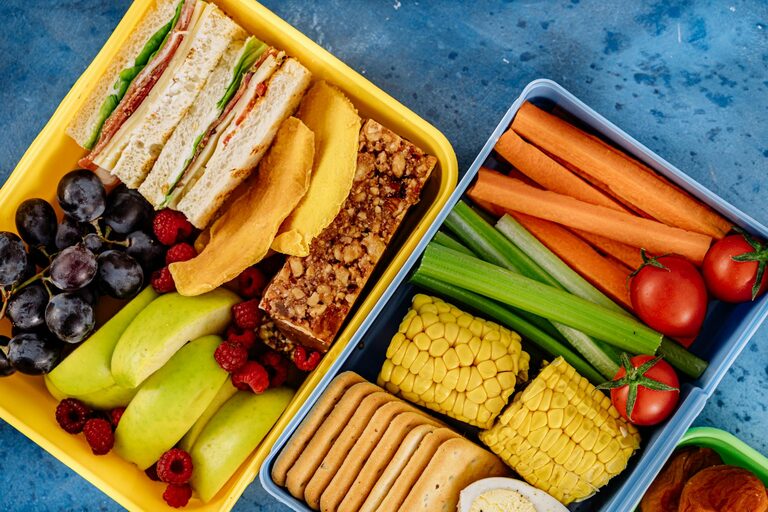
How to Plan Balanced Meals Without Stress: Simple Tips for Every Day
Planning balanced meals doesn’t have to be overwhelming. With a little organization and simple strategies, you can enjoy nutritious, satisfying meals every day — without the stress. Whether you’re cooking for yourself, your family, or a crowd, this guide will help you create balanced meals that support your health and lifestyle.
Why Balanced Meals Matter
Balanced meals provide your body with the essential nutrients it needs to function optimally. They help maintain energy levels, support brain health, encourage a healthy weight, and improve overall well-being. A balanced meal typically includes:
– Protein: Builds and repairs tissues
– Carbohydrates: Primary source of energy
– Healthy fats: Support brain and heart health
– Fiber: Aids digestion
– Vitamins and minerals: Keep various body systems running smoothly
Understanding this balance simplifies meal planning and takes the guesswork out of cooking.
Step 1: Understand Your Plate
A useful visual tool is the “plate method,” which divides your meal into sections:
– Half your plate with vegetables and fruits: These provide fiber, vitamins, and minerals.
– One quarter with lean protein: Options include chicken, fish, beans, tofu, or eggs.
– One quarter with whole grains or starchy vegetables: Choose brown rice, quinoa, whole wheat pasta, or sweet potatoes.
– Add a small portion of healthy fats: Olive oil, nuts, seeds, or avocado.
This simple layout ensures a balanced meal without counting calories or strict measuring.
Step 2: Plan Ahead with Meal Prep
Planning ahead reduces daily stress and makes healthy choices easier.
Tips for Effective Meal Prep
– Choose a specific day for planning and shopping: This sets a routine and ensures you have all ingredients on hand.
– Create a weekly menu: Planning breakfasts, lunches, dinners, and snacks reduces impulsive decisions.
– Batch cook staples: Cook grains, proteins, and roasted vegetables in advance to mix and match through the week.
– Use versatile ingredients: Select ingredients that work in multiple dishes, saving time and money.
– Invest in storage containers: Keep prepped food fresh and organized.
Step 3: Keep Variety in Your Diet
Eating a diverse range of foods covers more nutrients and keeps meals exciting.
How to Add Variety
– Experiment with different vegetables and fruits each week.
– Alternate protein sources: try fish one day, beans the next.
– Explore different cooking styles like grilling, steaming, or roasting.
– Flavor meals with herbs and spices to enhance taste without extra calories.
Step 4: Balance Convenience with Nutrition
Busy schedules sometimes mean quick meals are a necessity. Here are ways to keep convenience healthy:
– Use frozen vegetables—they’re nutritious and last longer.
– Stock up on canned beans and legumes for easy protein.
– Prepare simple recipes with minimal ingredients.
– Keep healthy snacks handy like nuts, yogurt, or fruit.
Step 5: Be Mindful and Flexible
Balanced eating is not about perfection but making consistent good choices.
– Listen to your hunger and fullness cues.
– Allow treats occasionally—balance over restriction yields better long-term habits.
– Adjust portions and food choices based on your activity level and preferences.
– Don’t be afraid to repeat favorite meals; comfort and consistency are valuable.
Sample Balanced Meal Ideas
– Grilled chicken, quinoa, steamed broccoli, and a mixed greens salad with olive oil dressing.
– Stir-fried tofu with mixed vegetables over brown rice.
– Lentil soup with whole wheat bread and a side of roasted carrots.
– Omelet with spinach and tomatoes, whole-grain toast, and fresh fruit.
Final Thoughts
Planning balanced meals without stress is achievable through understanding portion balance, preparing ahead, embracing variety, and staying flexible. Start small with changes that fit your lifestyle, and gradually build habits that lead to better nutrition and enjoyable meals. Healthy eating is a journey—make it simple and satisfying.
—
By following these steps, your mealtime can become a source of nourishment and pleasure, not an added burden. Happy meal planning!
